

.png?width=1252&height=362&name=QUID_Logo_WHITE%20(2).png)
National Relaxation Day may sound like another lighthearted wellness holiday. The consumer conversation tells a more complex story.
What is National Relaxation Day?
National Relaxation Day is observed every year on August 15 and encourages people to intentionally reduce stress and prioritize rest.
Why do people celebrate National Relaxation Day?
Many people use the day to disconnect from work, improve sleep, spend time outdoors, practice mindfulness, or simply slow down after busy routines.
Why are brands paying attention to relaxation?
Relaxation increasingly influences consumer spending across wellness, travel, hospitality, beauty, fitness, entertainment, and home products.
How has wellness changed in recent years?
Consumers increasingly seek sustainable daily habits and authentic recovery experiences rather than one-size-fits-all wellness trends.
As wellness has become increasingly commercialized, relaxation has evolved from an occasional luxury into something consumers actively pursue, evaluate, and even question. Meditation apps, recovery technologies, spa treatments, mindfulness routines, and digital detoxes all promise to help people slow down. Yet many consumers are asking whether wellness itself has become another performance. Spoiler alert: For many, it has.
Quid's analysis reveals a different trend emerging beneath the headlines. Rather than chasing increasingly elaborate routines, many consumers are redefining relaxation through simple, repeatable practices that feel authentic, sustainable, and personally meaningful.
This is no longer a niche wellness conversation.
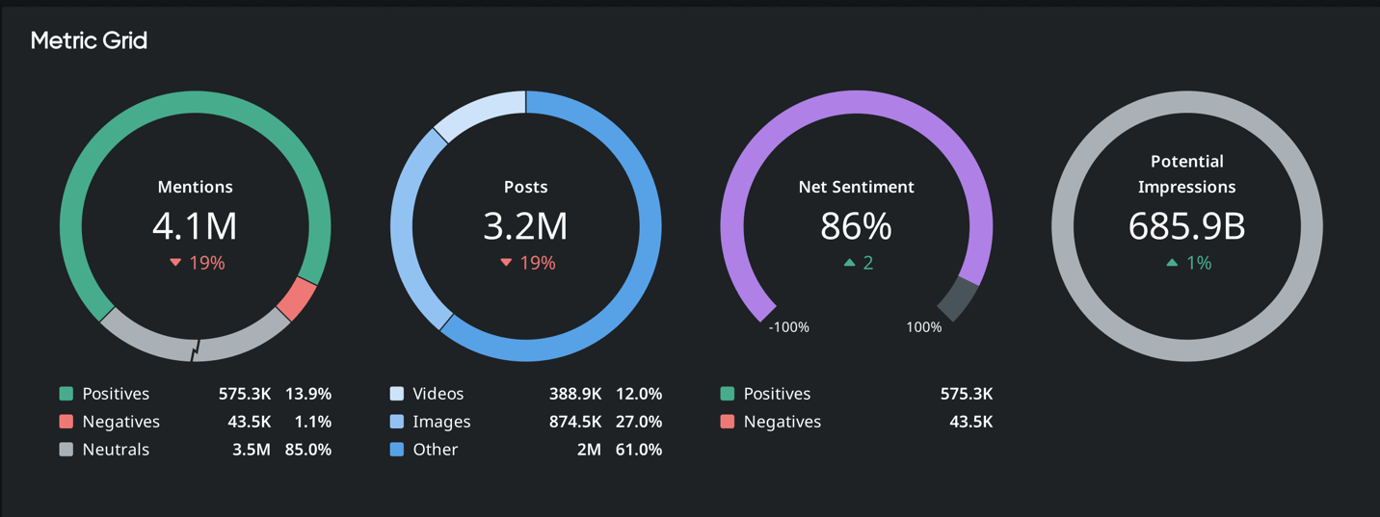
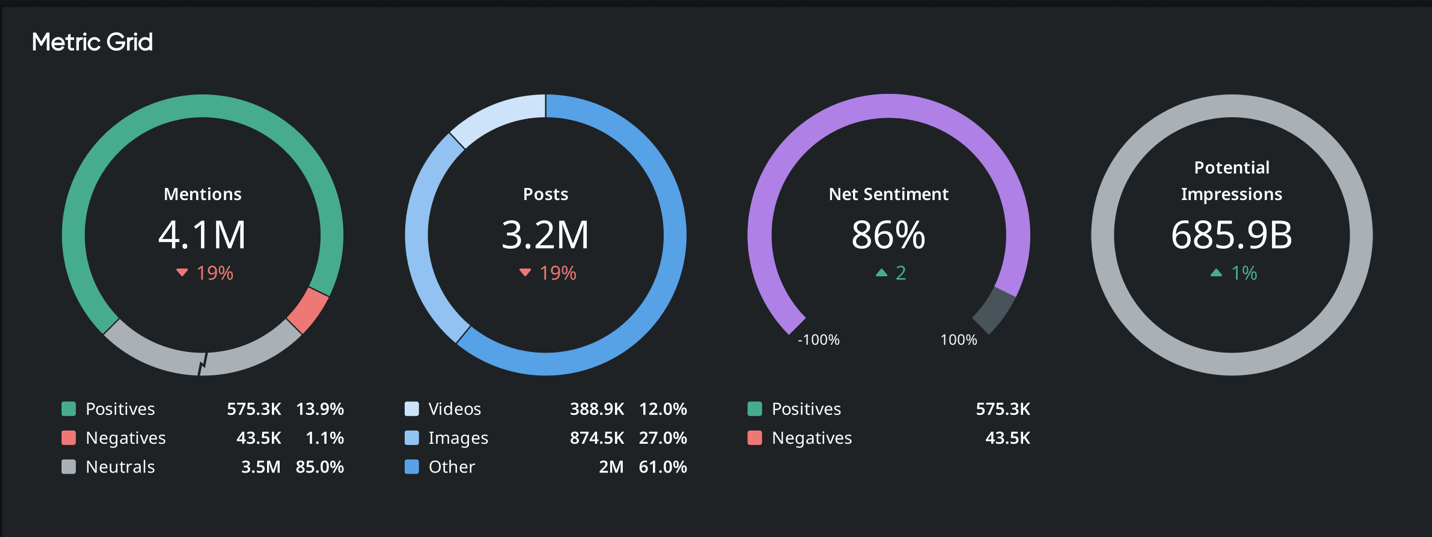
Between May and July 2026, discussions surrounding relaxation generated more than 4.1 million mentions, 3.2 million posts, and nearly 686 billion potential impressions while maintaining an 86% net sentiment. Perhaps most notably, 85% of conversation remained neutral, suggesting relaxation has become a normalized part of everyday consumer behavior rather than a polarizing trend.
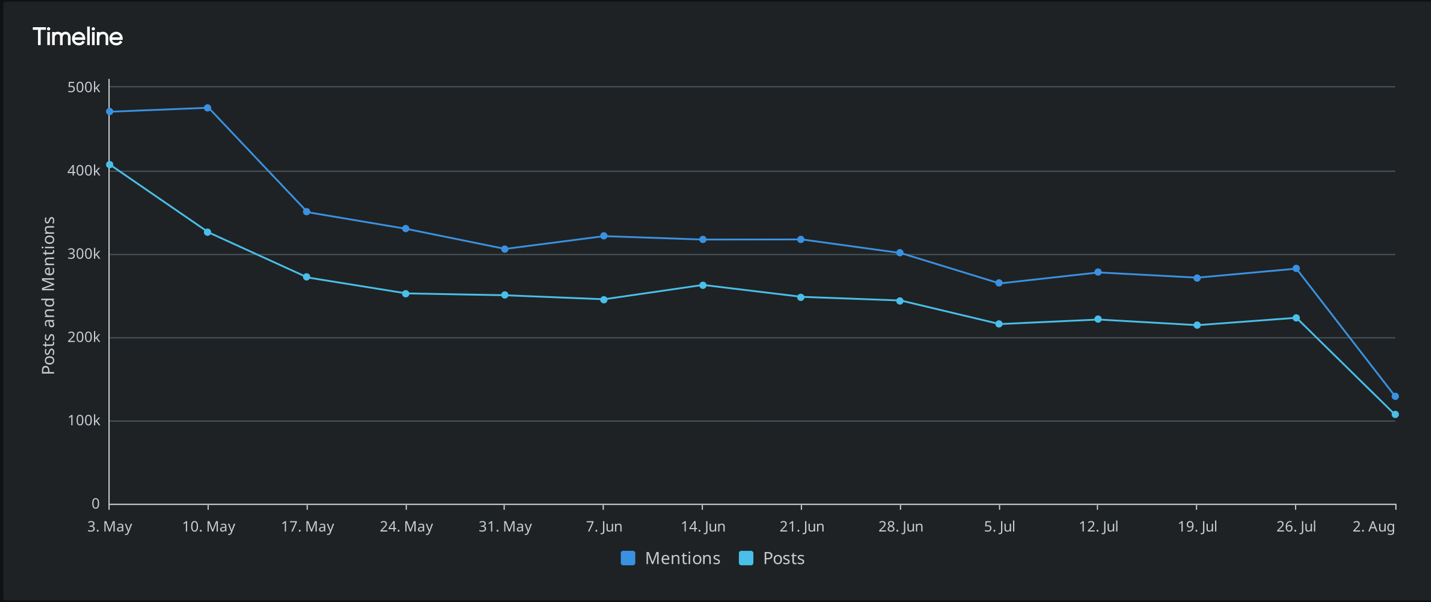
The timeline reinforces that this is not simply seasonal interest surrounding National Relaxation Day. Conversation remains consistently active across the three-month period, reflecting an ongoing cultural shift toward recovery, stress management, and well-being.
One of the clearest signals appears in the behaviors consumers associate with relaxation.
The largest behavioral themes are not purchasing or consuming. Instead, they revolve around actions such as need, recommend, use, improve, deserve, support, and encourage.
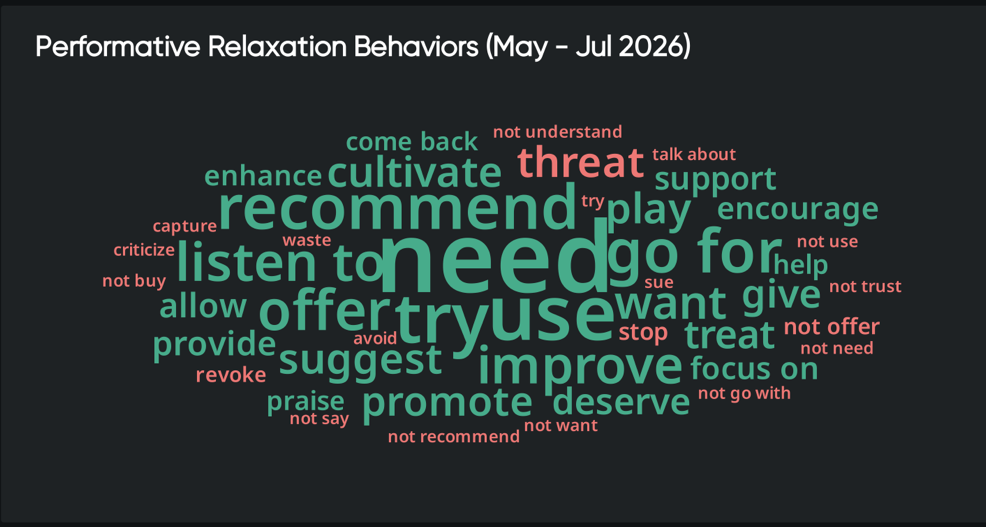
Rather than searching for one perfect solution, consumers increasingly view relaxation as something they intentionally practice over time.
That behavioral shift represents an important evolution in how wellness is perceived.
The strongest insight in the entire analysis may be summarized by one word. Practice.
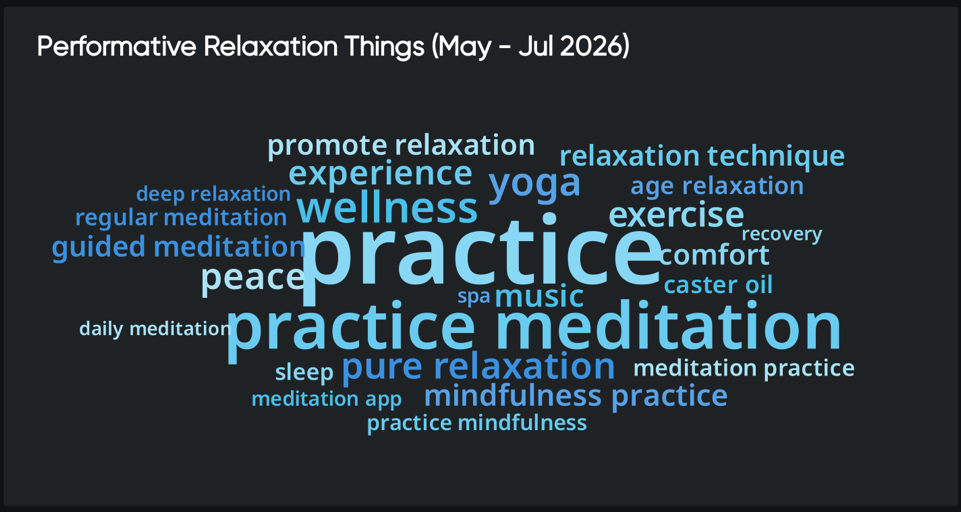
Among the most prominent themes are practice, meditation, mindfulness, wellness, peace, yoga, comfort, and recovery.
Consumers are not primarily discussing expensive wellness experiences or luxury retreats. Instead, the conversation centers on habits that can be repeated daily.
This aligns closely with broader market signals showing consumers now favor sustainable routines over one-time transformations.
At first glance, the emotional landscape appears overwhelmingly positive. Words such as enjoy, love, great, best, beautiful, joy, and happiness dominate the conversation.
The smaller negative terms tell a different story.
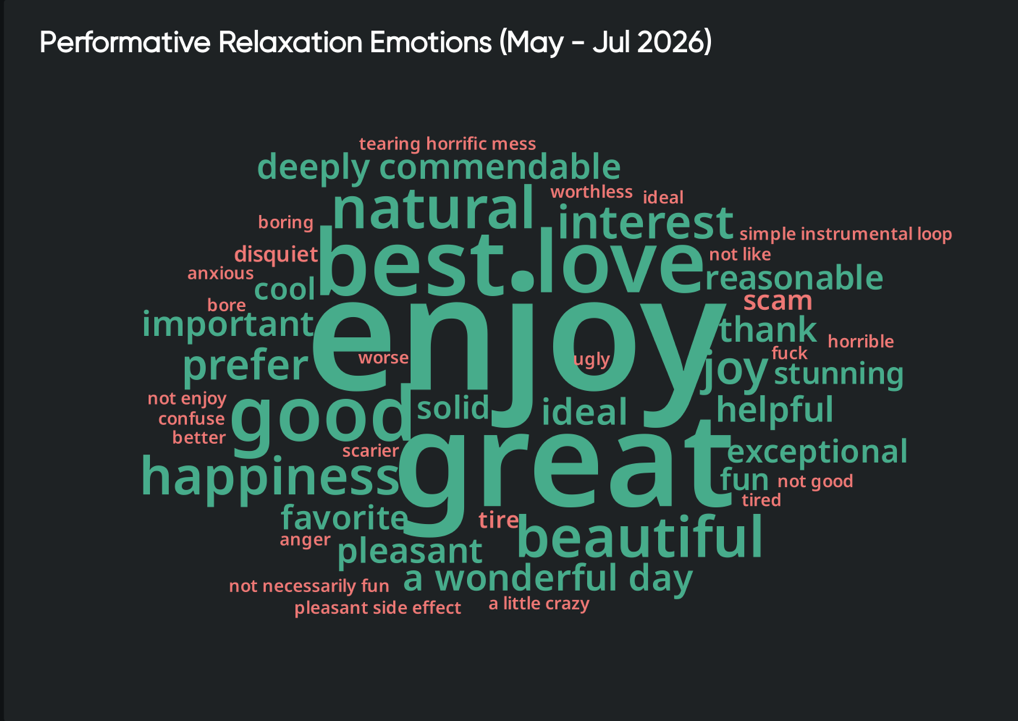
Rather than rejecting relaxation itself, consumers express skepticism toward experiences that feel disappointing, overly commercialized, or inauthentic. The emotional conversation reflects growing tension between genuine well-being and wellness that feels performative.
Consumers are not abandoning wellness. They are becoming more discerning about which approaches actually improve their lives.
The audience data reveals that relaxation is far from one-size-fits-all.
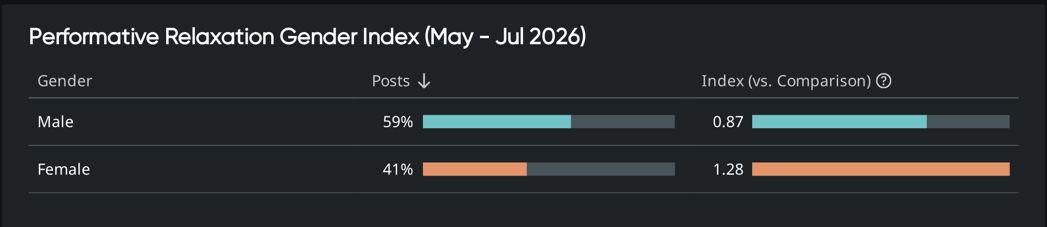
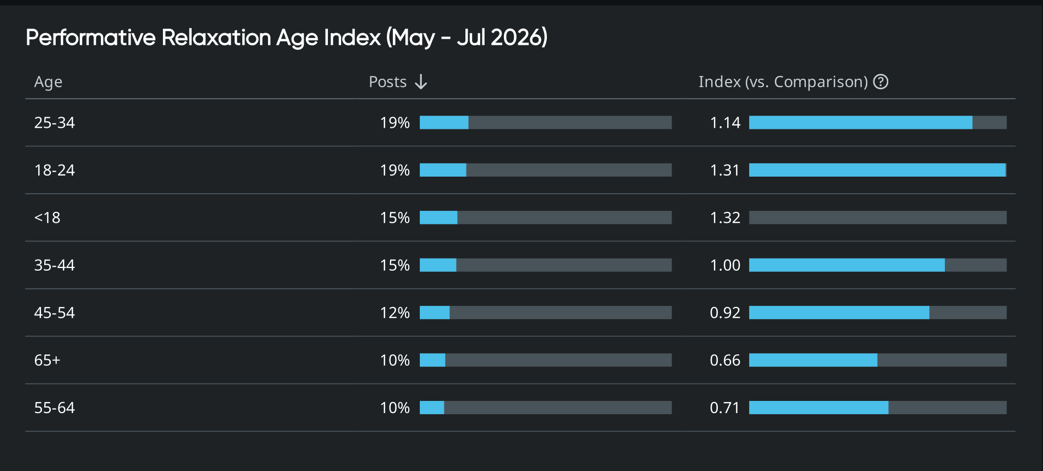
Women over-index in the conversation compared to men, while younger audiences participate more actively than older demographics.
Health and fitness communities naturally remain important participants, but several unexpected audiences also emerge. Literature enthusiasts, creative professionals, students, educators, and science-related professions all show higher-than-expected engagement.
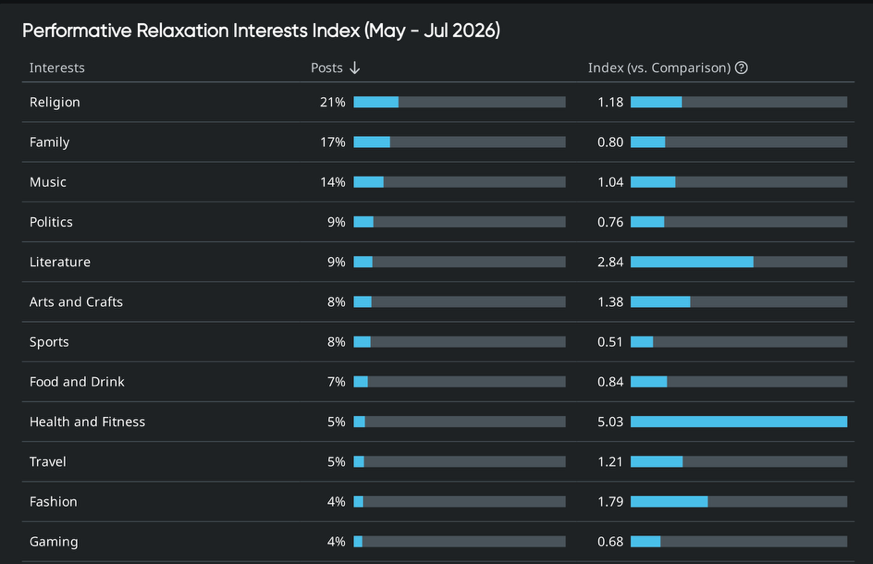
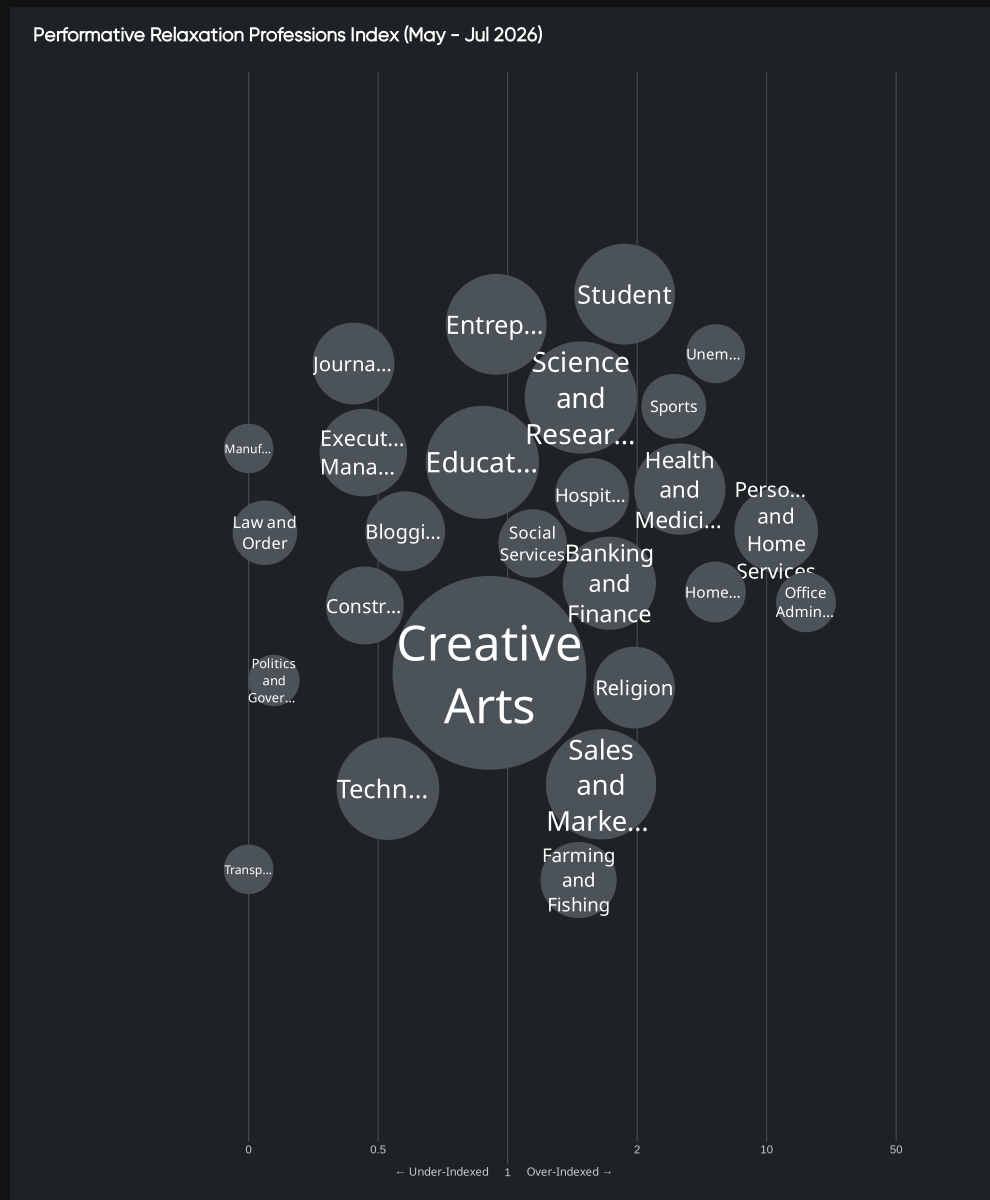
These patterns suggest that conversations around relaxation increasingly resonate with people whose daily lives involve sustained mental effort, creativity, and continuous learning.
The dominant relationship terms include experience, feeling, life, stress, body, peace, calm, support, and work.
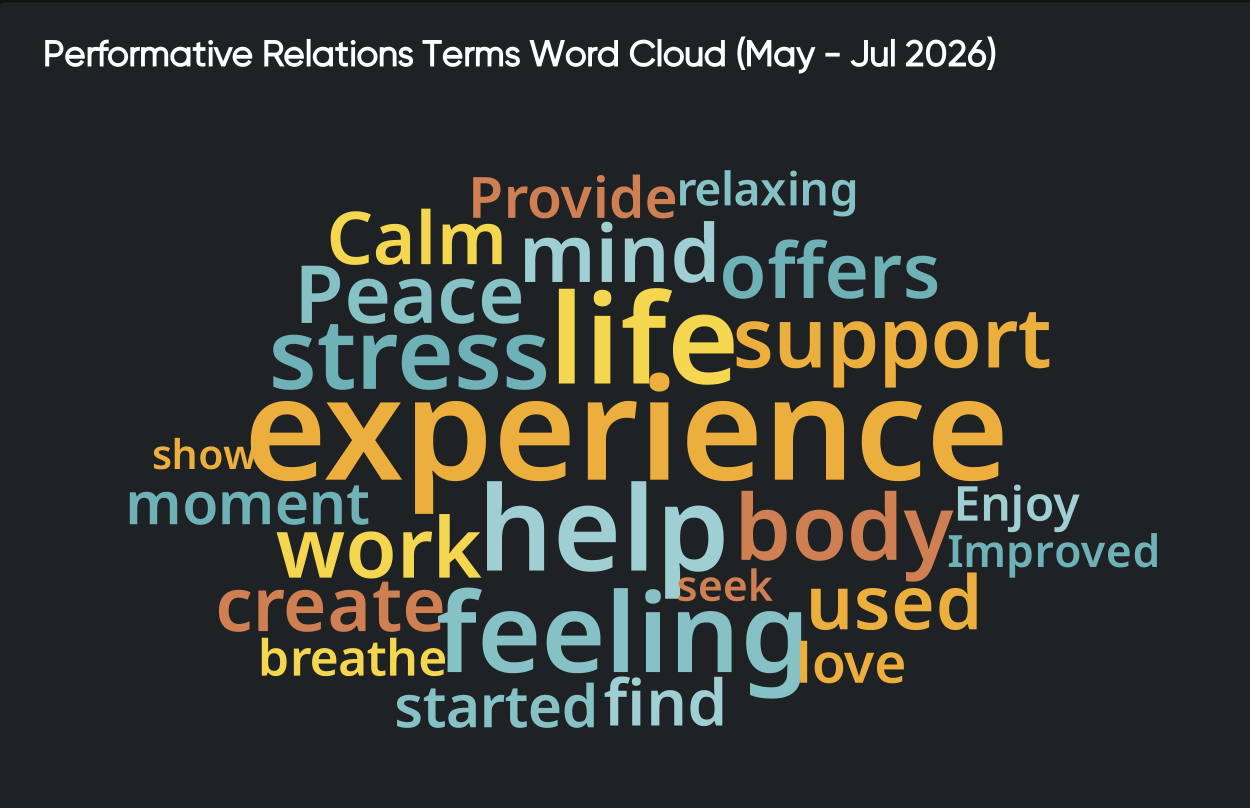
Notice what is largely absent. Consumers are not defining relaxation through products. They are defining it through experiences.
That distinction may represent one of the most important shifts occurring across the wellness landscape today.
National Relaxation Day highlights a broader consumer movement, one in which people are no longer looking for the next wellness trend simply because it is popular. They increasingly value experiences that feel authentic, practical, and sustainable within everyday life.
Brands that continue promoting perfection, optimization, or increasingly elaborate routines may struggle to build long-term trust.
Those that help consumers develop realistic habits, encourage genuine recovery, and support everyday well-being are more likely to create lasting relationships.
Search can tell you which relaxation techniques are trending. Generative AI can summarize articles about wellness, mindfulness, and stress management. Quid reveals how millions of conversations connect emotions, behaviors, audience segments, and cultural narratives to explain why consumers are redefining relaxation in the first place.
Those deeper relationships help organizations identify emerging shifts before they become obvious through traditional research or search trends.
Consumer conversations rarely revolve around a single topic. They reflect changing behaviors, evolving expectations, and emotional signals that influence purchasing decisions long before they appear in traditional market research.
Discover how Quid helps organizations uncover the connections that shape consumer behavior and identify emerging opportunities before they become mainstream.
When is National Relaxation Day?
National Relaxation Day is observed every year on August 15.
Why has relaxation become such a popular topic?
Growing awareness of stress, burnout, sleep quality, and overall well-being has made relaxation an increasingly important part of everyday life.
What does Quid reveal about relaxation conversations?
Quid shows that consumers increasingly associate relaxation with repeatable practices, authentic experiences, community, and long-term well-being rather than one-time wellness trends or luxury experiences.
How are consumers redefining wellness?
Many consumers are shifting away from highly curated or performative wellness routines and toward practical habits that feel sustainable and personally meaningful.
Why is this important for brands?
Understanding how consumers define relaxation helps brands create experiences, products, and messaging that align with genuine consumer needs instead of simply following the latest wellness trend.